

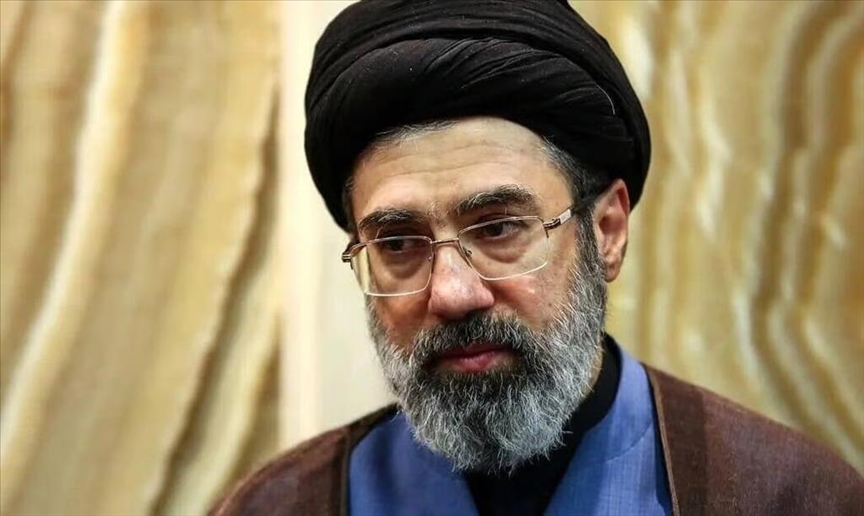
Mojtaba Khamenei appointed to be the new Supreme Leader of Iran is beginning to trend on international media sites. Also, discussions have begun to form regarding the positioning of Mojtaba Khamenei, the son of the existing Supreme Leader Ali Khamenei, to take over authority for governing Iran.
This would represent a significant shift in Iran’s political power structures over the past several decades should this become official. Furthermore, many analysts describe this transition as Iran’s response to Donald Trump’s policies, noting how it continues to solidify its own leadership and geopolitical agenda in spite of international pressure from former President Trump and Western governments.
If you wish to learn more about what this transition signifies for you, who is Mojtaba Khamenei, and what the implications will be globally, then you have come to the right place! Let’s detail the facts for you as best we can.
🔑 Key Highlights
- Mojtaba Khamenei new Supreme Leader discussions are dominating Middle East political news.
- Mojtaba is the second son of Iran’s current Supreme Leader Ali Khamenei.
- Analysts believe his rise could reshape Iran’s domestic politics and foreign policy.
- The narrative Iran defies Trump reflects tensions between Iran and U.S. leadership.
- Iran’s Supreme Leader holds more power than the president in the country’s political system.
- The decision typically involves the Assembly of Experts, a powerful clerical body.
- Global powers are closely watching the potential leadership transition.
Mojtaba Khamenei New Supreme Leader: Why This Story Matters
Mojtaba Khamenei new Supreme Leader isn’t just a headline — it touches the core of Iran’s political system.
Iran operates under a theocratic republic structure, where the Supreme Leader holds ultimate authority over:
- The military
- The judiciary
- State media
- Key foreign policy decisions
That means whoever becomes Supreme Leader effectively shapes Iran’s long-term strategy and global relationships.
Many geopolitical analysts argue that if Mojtaba rises to the position, it could signal continuity rather than radical change.
Why?
Because Mojtaba has reportedly worked behind the scenes within Iran’s political and religious networks for years.
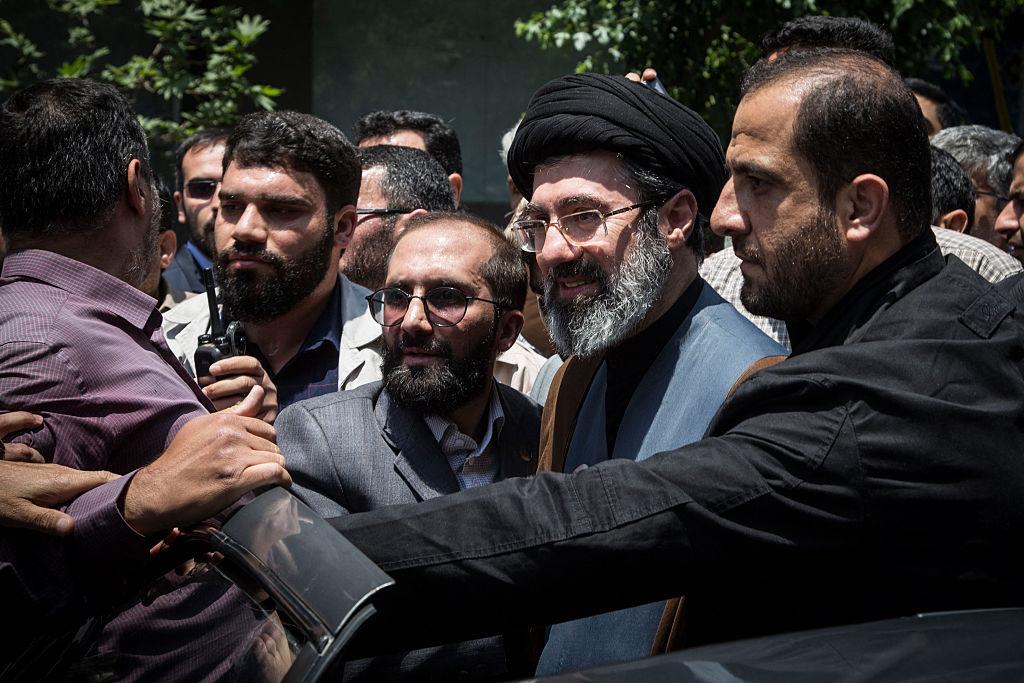
Who Is Mojtaba Khamenei?
Understanding the potential Mojtaba Khamenei new Supreme Leader narrative starts with knowing the man himself.
Basic Background
- Full Name: Mojtaba Hosseini Khamenei
- Born: 1969
- Father: Ali Khamenei, Iran’s Supreme Leader since 1989
- Profession: Shia cleric and religious scholar
He studied at the Qom Seminary, one of the most influential religious institutions in Iran.
Many political observers believe Mojtaba built strong connections with:
- Religious institutions
- Revolutionary Guard networks
- Conservative political factions
These relationships could make him a powerful contender in Iran’s leadership structure.
Iran Defies Trump: The Political Context
The phrase Iran defies Trump reflects years of tension between Iran and the United States.
During Donald Trump’s presidency, the U.S. implemented the “maximum pressure” campaign, which included:
- Economic sanctions
- Withdrawal from the nuclear deal (JCPOA)
- Increased regional military pressure
Despite these actions, Iran continued strengthening its political structure internally.
If the narrative of Mojtaba Khamenei new Supreme Leader gains traction, analysts interpret it as another signal that Iran maintains political continuity regardless of U.S. pressure.
How Iran Chooses a Supreme Leader
Many readers assume Iran’s leadership simply passes from father to son.
That’s not exactly how the system works.
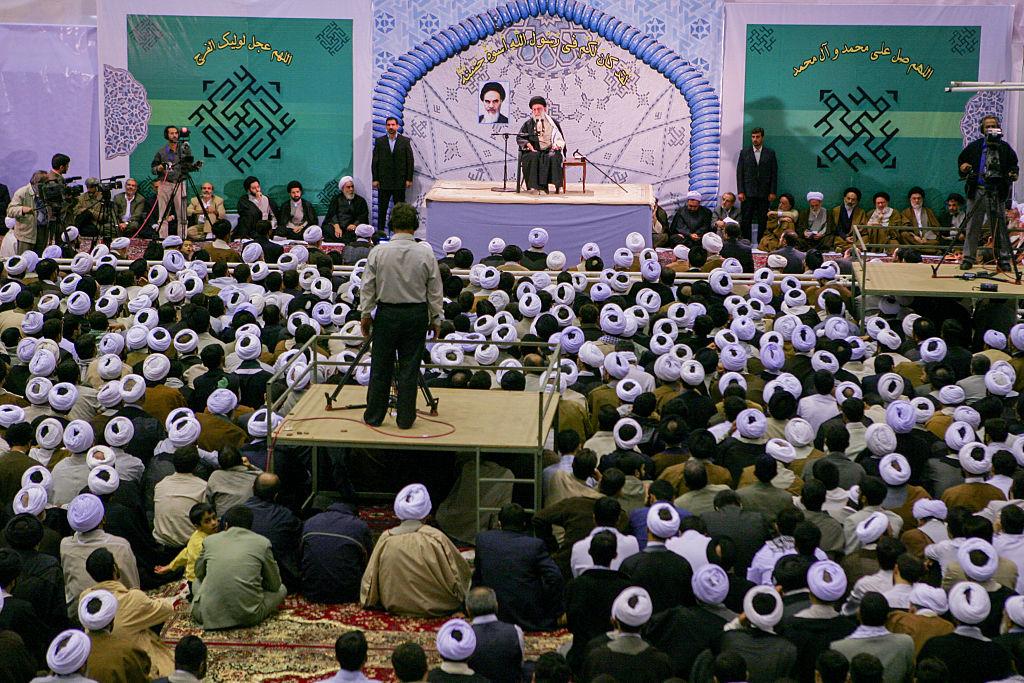
The official process involves a body called the Assembly of Experts.
The Selection Process
- The current Supreme Leader dies or steps down
- The Assembly of Experts meets
- Candidates are reviewed
- Religious credentials and political influence are evaluated
- The Assembly votes for the new Supreme Leader
However, politics plays a major role.
Influence from the Islamic Revolutionary Guard Corps (IRGC) and religious elites often shapes the outcome.
Why Mojtaba Khamenei Is Considered a Possible Successor
Several factors drive speculation around Mojtaba Khamenei new Supreme Leader.
1. Political Influence
Reports suggest Mojtaba developed strong influence within Iran’s conservative political networks.
2. Revolutionary Guard Support
Many analysts believe he maintains connections with members of the IRGC, one of Iran’s most powerful institutions.
3. Religious Credentials
Although not as publicly visible as other clerics, Mojtaba studied extensively in Shia Islamic jurisprudence.
4. Family Legacy
Leadership continuity often matters in Iran’s political environment.
This does not mean monarchy—but political networks often remain within trusted circles.
What This Means for the Middle East
If Mojtaba Khamenei new Supreme Leader becomes reality, several regional impacts could follow.
Possible Outcomes
- Continuation of Iran’s regional influence strategy
- Stronger ties with groups aligned with Iran
- Continued tension with Western governments
Countries closely watching include:
- Israel
- Saudi Arabia
- United States
- European Union nations
This is why the story connects to the narrative Iran defies Trump — global observers see Iran’s leadership decisions as part of a broader geopolitical contest.
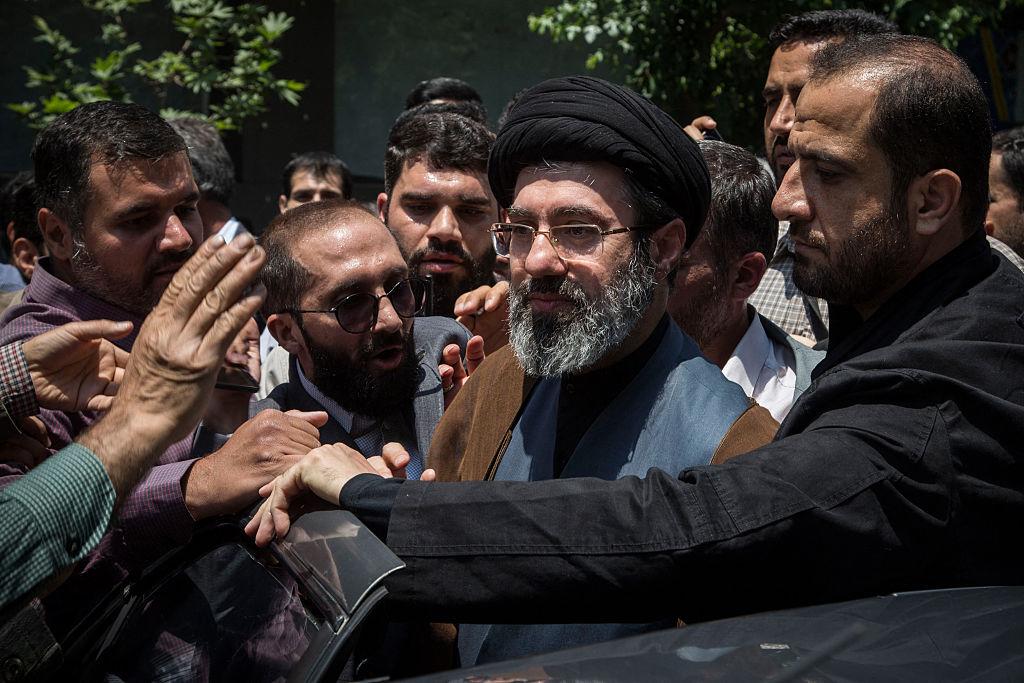
Real-World Impact: Why Global Leaders Care
Leadership transitions in Iran affect many global issues.
Nuclear Negotiations
Iran’s stance on nuclear agreements could shift depending on leadership priorities.
Oil Markets
Iran holds the world’s fourth-largest oil reserves.
Changes in leadership can influence:
- Oil production
- OPEC decisions
- Energy prices globally
Regional Conflicts
Iran plays a role in political dynamics across:
- Syria
- Iraq
- Lebanon
- Yemen
Any shift in leadership can ripple across the Middle East.
What Analysts and Experts Are Saying
Political experts remain divided on the Mojtaba Khamenei new Supreme Leader possibility.
Some analysts say:
- Iran prefers continuity and stability
- Mojtaba offers internal political connections
Others argue:
- The Assembly of Experts may choose a different senior cleric
- Iran may avoid any appearance of hereditary leadership
In other words, the outcome is far from certain.
Why This Story Is Trending Globally
News about Mojtaba Khamenei new Supreme Leader spreads quickly because it connects three major global topics:
- Middle East geopolitics
- U.S.–Iran relations
- Global energy security
Add the narrative Iran defies Trump, and the story becomes even more attention-grabbing for international media.
Related Reads (Internal Links)
To better understand global political and technology trends, explore these helpful guides:
You can also explore more global news and educational content at:
Final Thoughts
Iran’s leadership structure is examined closely worldwide and significant changes, such as elections, always change the political system, on a domestic level, or international level, such as in the areas of energy and regional security.
Political analysts are still working on determining what the political future will look like for the Ayatollahs after the next elections; however, one thing is for sure, decisions made by Iran’s leaders are based on complicated factors which include religious leadership and other factors like alliances and economic/historical data.
With continued tension between the US and Iran, observers worldwide will closely observe the events that unfold in the Iranian government and watch for updates regarding how any of these events may impact the West, if they continue on their course to challenging America.
It is very possible that the stories that have characterized Iran’s reaction to the US could continue to be an element in international media for a long time.
FAQs
Who is Mojtaba Khamenei?
Mojtaba Khamenei is a Shia cleric and the son of Iran’s former Supreme Leader Ali Khamenei. He studied Islamic theology at the Qom Seminary and has long been considered an influential figure within Iran’s conservative political networks.
Why is Mojtaba Khamenei considered the new Supreme Leader?
Reports suggest that Mojtaba Khamenei was chosen by Iran’s Assembly of Experts following the death of Ali Khamenei. The Assembly is the official body responsible for selecting Iran’s Supreme Leader.
What power does the Supreme Leader have in Iran?
The Supreme Leader is the highest authority in Iran. The position controls the military, judiciary, state media, and major foreign policy decisions, making it more powerful than the president.
Why is the story “Mojtaba Khamenei new Supreme Leader” important globally?
The leadership change matters because Iran plays a key role in global politics, oil markets, and Middle East security. Any shift in Iran’s leadership can affect international relations and global energy prices.
How is Iran’s Supreme Leader selected?
Iran’s Supreme Leader is selected by the Assembly of Experts, a council of Islamic scholars elected by the public. The council reviews candidates and chooses the leader based on religious knowledge and leadership ability.
Why are global leaders watching Iran’s leadership transition?
Global leaders closely monitor Iran because the country influences regional conflicts, nuclear negotiations, and global oil supply. A new Supreme Leader can shape Iran’s policies for many years.
Is leadership succession common in Iran’s political system?
Leadership succession is rare in Iran because Supreme Leaders usually serve for decades. Before Mojtaba Khamenei, only two people had held the position since the 1979 Islamic Revolution.