

With many applications that help with writing and coding, ChatGPT is an AI that most people are familiar with, but now another competitor is taking hold as well: Google Gemini. As AI continues to be implemented into many areas of our everyday lives for students, developers, marketers, and entrepreneurs, many individuals feel overwhelmed with the options and choices regarding which AI tool is best for them.
Some of the key questions include whether ChatGPT should be used for coding, whether Google Gemini is better suited for research, and which program saves the most time.
The purpose of this guide is to compare the features and functions of both ChatGPT and Google Gemini so that readers can understand their differences, how each is used in the real world, and which program may be more suited for them individually.
🔑 Key Highlights
- ChatGPT is widely used for writing, coding, and productivity tasks
- Google Gemini integrates deeply with Google services like Docs, Gmail, and Search
- ChatGPT often excels in creative tasks and programming help
- Google Gemini performs strongly in web search and real-time information
- Both AI tools rely on advanced large language models (LLMs)
- Developers and students increasingly use both tools together
For more technology updates and trending articles, visit https://newzeefy.com/.
What Is ChatGPT?
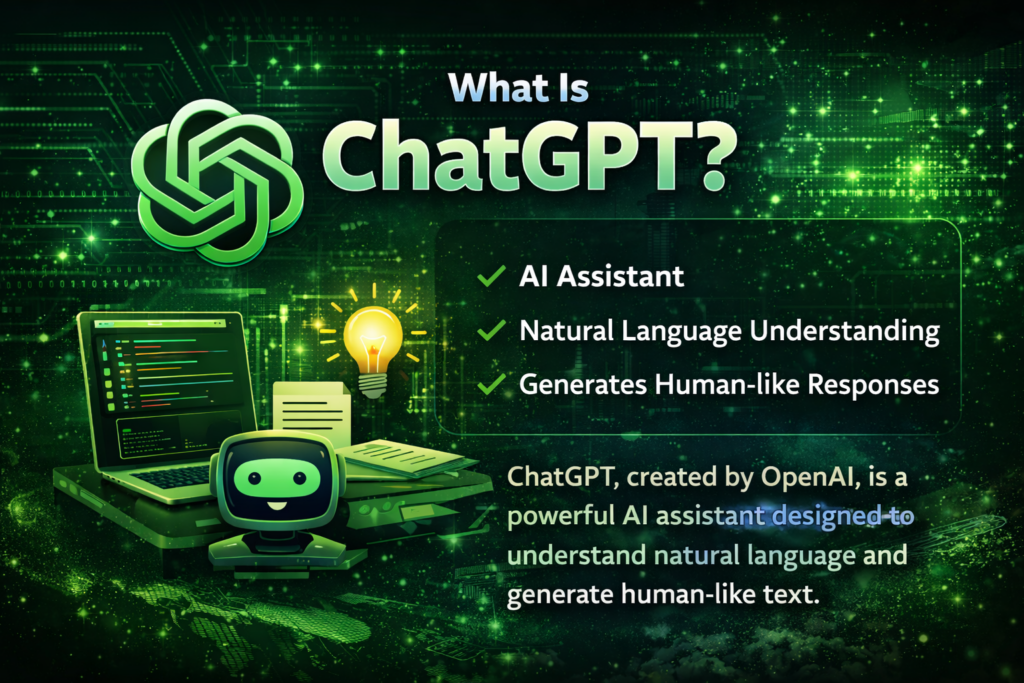
ChatGPT is an AI assistant created by OpenAI. It is designed to understand natural language and generate human-like responses.
You can explore the official platform here:
https://openai.com/chatgpt
Since its launch in 2022, ChatGPT has grown rapidly. According to industry reports, the platform reached over 100 million users within two months, making it one of the fastest-growing consumer applications in history.
Today, ChatGPT helps people with tasks such as:
- writing articles and emails
- coding assistance
- debugging software
- learning new topics
- generating creative ideas
Many developers even use ChatGPT as a coding partner, asking it to explain complex algorithms or review code snippets.
You can read more AI-related guides and technology trends on https://newzeefy.com/.
What Is Google Gemini?
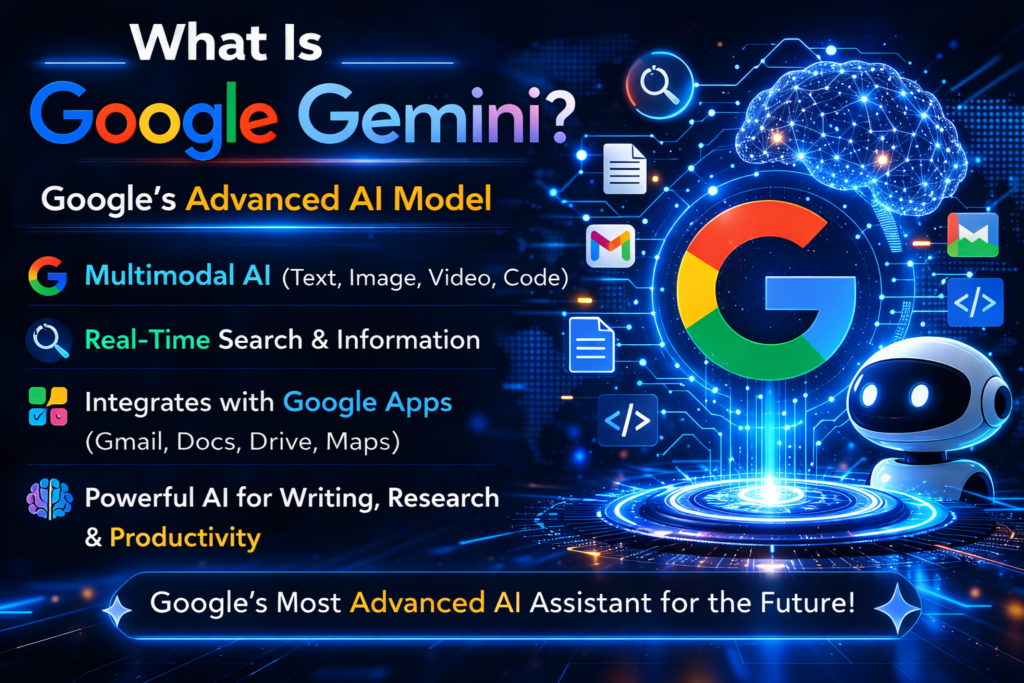
Google Gemini is Google’s advanced AI model developed by Google.
Learn more from the official page:
https://deepmind.google/technologies/gemini/
Gemini replaced the earlier Bard AI system and aims to combine:
- large language models
- advanced search capabilities
- multimodal AI (text, image, video, code)
One major advantage of Google Gemini is its integration with Google’s ecosystem.
For example, Gemini can connect with:
- Gmail
- Google Docs
- Google Drive
- Google Maps
- YouTube
This makes Gemini especially useful for people who already rely heavily on Google services.
If you’re interested in AI technology updates and digital trends, check the latest articles at https://newzeefy.com/.
ChatGPT vs Google Gemini: Key Differences
1. Writing and Content Creation
When it comes to writing, ChatGPT often performs extremely well.
Many bloggers, marketers, and students use it to generate:
- blog posts
- marketing copy
- product descriptions
- summaries
- brainstorming ideas
Why does ChatGPT excel here?
Its training and interface focus heavily on conversation and structured writing.
Google Gemini can also generate text, but users often prefer ChatGPT for long-form creative writing.
You can explore more blogging and AI content tools on https://newzeefy.com/.
2. Coding and Developer Support
Developers frequently rely on ChatGPT for coding help.
Common uses include:
- debugging code
- learning programming languages
- generating scripts
- explaining technical concepts
Many developers combine ChatGPT with coding tools such as:
According to developer surveys, AI coding assistants significantly improve productivity.
Google Gemini also supports coding tasks, but developers often find ChatGPT more consistent in code explanations.
3. Real-Time Information and Search
This is where Google Gemini shines.
Because it connects directly to Google’s search infrastructure, Gemini can provide:
- updated web information
- real-time search results
- links to relevant sources
If someone asks about recent news or trending topics, Gemini may have an advantage.
4. Integration with Apps
Google Gemini integrates deeply with Google’s ecosystem.
For example:
- drafting emails in Gmail
- summarizing documents in Google Docs
- organizing information from Google Drive
Explore Google AI Workspace features here:
https://workspace.google.com/ai/
For people working inside the Google ecosystem, Gemini can feel like a built-in productivity assistant.
ChatGPT also integrates with many apps through APIs and plugins.
Developers can explore ChatGPT API documentation here:
https://platform.openai.com/docs
5. Multimodal Capabilities
Both AI systems are evolving quickly in terms of multimodal features.
This means they can understand different types of data:
- text
- images
- audio
- code
Google Gemini was specifically designed as a multimodal model from the start, which helps it analyze visual data effectively.
ChatGPT has also added image analysis and voice capabilities in newer versions.
Real-World Use Cases
Understanding how people actually use these tools makes the comparison clearer.
Students
Students use ChatGPT to:
- summarize textbooks
- explain difficult topics
- generate study notes
- practice interview questions
Gemini helps students quickly gather search-based research information.
Developers
Developers rely on ChatGPT for:
- debugging code
- learning frameworks
- understanding documentation
Gemini helps developers search technical resources quickly.
Content Creators
Content creators use ChatGPT to:
- generate blog ideas
- create outlines
- write scripts
- brainstorm marketing campaigns
Gemini helps with fact checking and web research.
More content marketing and AI blogging tips are available at https://newzeefy.com/.
Best Practices When Using AI Tools
Regardless of which AI tool you choose, some best practices always help.
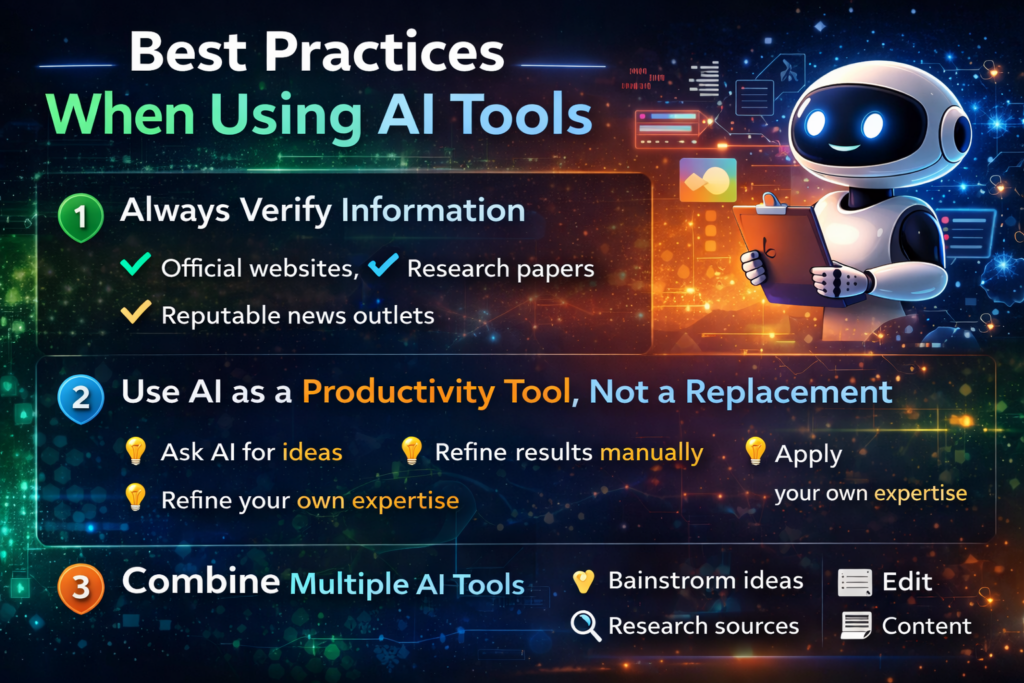
1. Always Verify Information
AI systems sometimes generate incorrect facts.
Always check important information using trusted sources such as:
- official websites
- research papers
- reputable news outlets
AI industry insights can be explored here:
https://www.mckinsey.com/capabilities/quantumblack/our-insights
2. Use AI as a Productivity Tool, Not a Replacement
AI tools work best when they assist human thinking rather than replace it.
For example:
- ask AI for ideas
- refine results manually
- apply your own expertise
3. Combine Multiple AI Tools
Many professionals actually use both ChatGPT and Google Gemini.
Example workflow:
- Brainstorm ideas with ChatGPT
- Research sources with Gemini
- Edit and refine content manually
This hybrid approach often produces better results.
The Future of AI Assistants
AI assistants are evolving rapidly.
Companies like Microsoft, Google, and OpenAI are investing billions in artificial intelligence development.
You can read more about AI industry trends here:
https://www.weforum.org/agenda/archive/artificial-intelligence/
Experts predict that future AI assistants will become even more capable of:
- reasoning through complex problems
- understanding multimodal inputs
- assisting with professional workflows
This means tools like ChatGPT and Gemini may soon become everyday productivity partners.
For more technology insights and digital innovation news, visit https://newzeefy.com/.
Final Thoughts
The comparison between ChatGPT and Google Gemini is not really about choosing a single winner. Both tools serve different purposes and offer powerful capabilities.
ChatGPT often excels at conversation, writing, and coding support.
Google Gemini performs strongly in search integration and Google ecosystem productivity.
The smartest approach is to understand what each tool does best and use them strategically.
AI tools are evolving quickly, and the people who learn how to use them effectively will have a clear advantage in the digital world.
Frequently Asked Questions (FAQ)
What is the difference between ChatGPT and Google Gemini?
The main difference between ChatGPT vs Google Gemini is their core focus. ChatGPT is known for strong conversational abilities, writing assistance, and coding support, while Google Gemini integrates deeply with Google services and provides powerful real-time search capabilities.
Which AI is better, ChatGPT or Google Gemini?
Choosing between ChatGPT vs Google Gemini depends on your needs. ChatGPT is often preferred for writing, coding, and creative tasks, whereas Google Gemini performs well for web research and integration with Google tools like Gmail and Docs.
Is ChatGPT more accurate than Google Gemini?
Accuracy can vary depending on the task. ChatGPT performs well in structured explanations and coding help, while Google Gemini may provide more up-to-date information due to its connection with Google Search.
Can ChatGPT and Google Gemini be used together?
Yes, many professionals use both tools together. For example, ChatGPT can help generate ideas and create content, while Google Gemini can assist with fact-checking and gathering real-time information.
Which AI tool is better for coding?
Many developers prefer ChatGPT for coding support because it provides clear explanations, debugging help, and code generation for multiple programming languages.
Is Google Gemini free to use?
Google Gemini offers free access for basic users, but some advanced features may require paid subscriptions depending on the platform and services used.
What are the best use cases for ChatGPT?
ChatGPT is commonly used for:
writing blog posts and emails
coding assistance
learning technical concepts
generating creative ideas
productivity and automation tasks
Will AI tools like ChatGPT and Gemini replace jobs?
AI tools are more likely to assist professionals rather than replace them completely. They help automate repetitive tasks, allowing people to focus on creativity, strategy, and decision-making.