

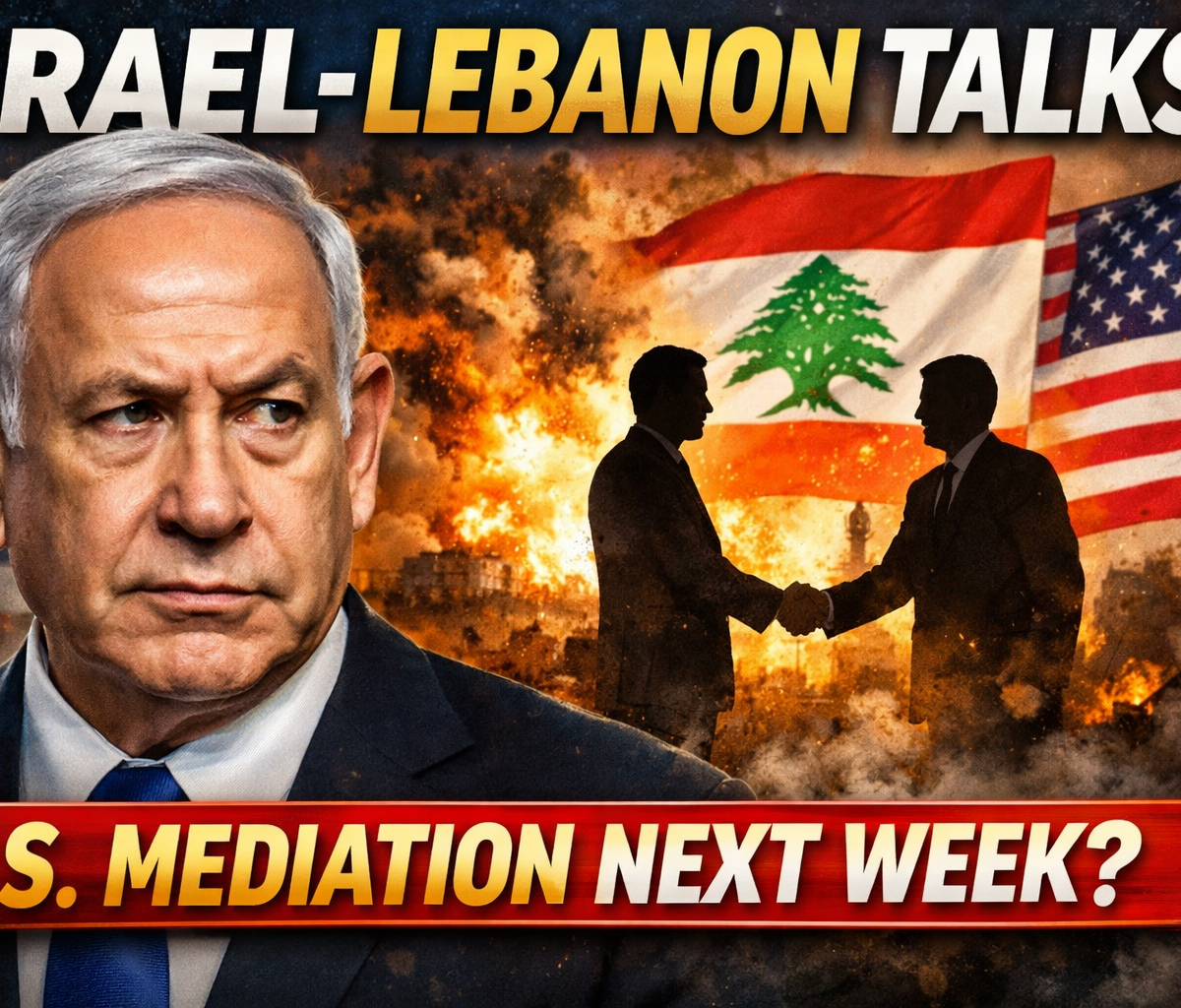
Israeli Prime Minister Benjamin Netanyahu has approved direct negotiations with Lebanon “as soon as possible,” according to a statement from his office. The announcement comes at a tense moment: a fragile two-week truce linked to the US, Israel, and Iran is under strain, while Israel’s military campaign in Lebanon has intensified.
If you’ve been following the israel lebanon situation, this moment feels like two realities happening at the same time. One reality is diplomacy—talks, timelines, and Washington meetings. The other is the ongoing conflict—airstrikes, casualties, and rising pressure on leaders to “do something” quickly.
Reports indicate Israel and Lebanon may begin discussions in Washington next week, even though the two countries have technically been at war since 1948.
For more ongoing coverage like this, you can also browse Newzeefy’s World News Latest and Trending News Latest sections.
Israel Lebanon Talks: What Netanyahu Actually Approved
In an official statement released Thursday, Netanyahu’s office said he had authorized the cabinet to begin direct negotiations after what it described as repeated Lebanese requests.
The statement said:
- Lebanon has repeatedly asked to open direct negotiations with Israel
- Netanyahu instructed the cabinet to begin talks “as soon as possible”
- Talks would focus on disarming Hezbollah and establishing peace relations between Israel and Lebanon
- Israel said it “appreciates” a call from Lebanon’s prime minister to “demilitarize Beirut”
While statements like this are often carefully worded, the message is still clear: Israel is signaling it wants talks to center on security—especially Hezbollah—rather than only on politics or temporary arrangements.
External sources reporting on these developments include:
- Reuters (Middle East coverage): https://www.reuters.com/world/middle-east/
- The Times of Israel: https://www.timesofisrael.com/
Why “Direct Negotiations” Matters in the Israel Lebanon Conflict
The phrase “direct negotiations” is important because Israel and Lebanon rarely engage openly in a way that looks like formal diplomacy. Even when there are understandings or mediated steps, they are often indirect.
Direct talks can mean:
- Faster communication (less “telephone game” through intermediaries)
- Clearer demands and responses
- A path—at least in theory—toward longer-term arrangements
But direct negotiations do not automatically mean the fighting stops. In many conflicts, talks happen during active operations, especially when each side believes pressure strengthens its position.
Will There Be a Ceasefire Before Talks? Israel Signals “No”
One key detail in the reporting: an Israeli official told The Times of Israel that there would be no ceasefire with Hezbollah ahead of talks with Lebanon.
That matters because, for many people, negotiations usually suggest a pause. Here, Israel’s message appears to be: talks can start, but military action may continue.
This makes the next few days especially delicate. If strikes continue or intensify, it can become politically harder for Lebanon to keep showing up for talks—or for the US to keep the process on track.
Lebanon’s Position: Pushing for a Temporary Ceasefire Window
Lebanon has reportedly spent the last 24 hours advocating for a temporary ceasefire, according to a senior Lebanese official quoted by Reuters. The idea, according to the source, is to create space for broader negotiations.
The official described this approach as:
- a “separate track,” but
- using the “same model” as a fragile truce reportedly brokered by Pakistan between the US and Iran
In simple terms: Lebanon appears to want a short pause first—then deeper talks.
This is a familiar diplomatic strategy. A short ceasefire can help:
- reduce immediate civilian harm
- allow humanitarian and emergency needs to be addressed
- lower the chances of a sudden escalation ruining talks
- give negotiators time to shape a workable agenda
Still, temporary ceasefires can be fragile, especially when multiple actors and armed groups are involved.
The Military Backdrop: Major Strikes and a Rising Death Toll
Netanyahu’s statement came after Israel launched what was described as the largest wave of strikes on Lebanon since the war with Hezbollah began on March 2.
The article notes that more than 200 people were killed in that wave of strikes.
This context is crucial. In the israel lebanon conflict, diplomacy tends to move when pressure peaks—but that also means the risks are higher. Any miscalculation, retaliation, or misunderstanding can derail negotiations before they even begin.
If you’re tracking fast-moving updates, Newzeefy’s Trending News Latest page is a useful hub.
Why Washington? The US Role in Israel Lebanon Negotiations
Israel and Lebanon are expected to initiate talks in Washington next week, according to the report.
Washington is often selected for high-stakes talks because the US can:
- host securely and discreetly
- provide diplomatic mediation
- keep momentum with scheduled rounds and structured agendas
- coordinate messaging with allies
In many cases, even if the US isn’t “signing” anything, it plays a powerful role in shaping what is possible.
For reference, you can also follow official US diplomacy updates here:
- US State Department: https://www.state.gov/
What to Watch If the Washington Meeting Happens
If these israel lebanon talks actually begin next week, a few details will matter immediately:
- Who is in the room: senior officials vs. technical teams
- Whether it’s truly direct: or still largely mediated behind the scenes
- Whether a timetable is announced: a second meeting date is often a good sign
- Whether violence drops at the same time: even informally
Diplomacy isn’t only about “big announcements.” Sometimes the real signal is simply that both sides keep returning to the table.
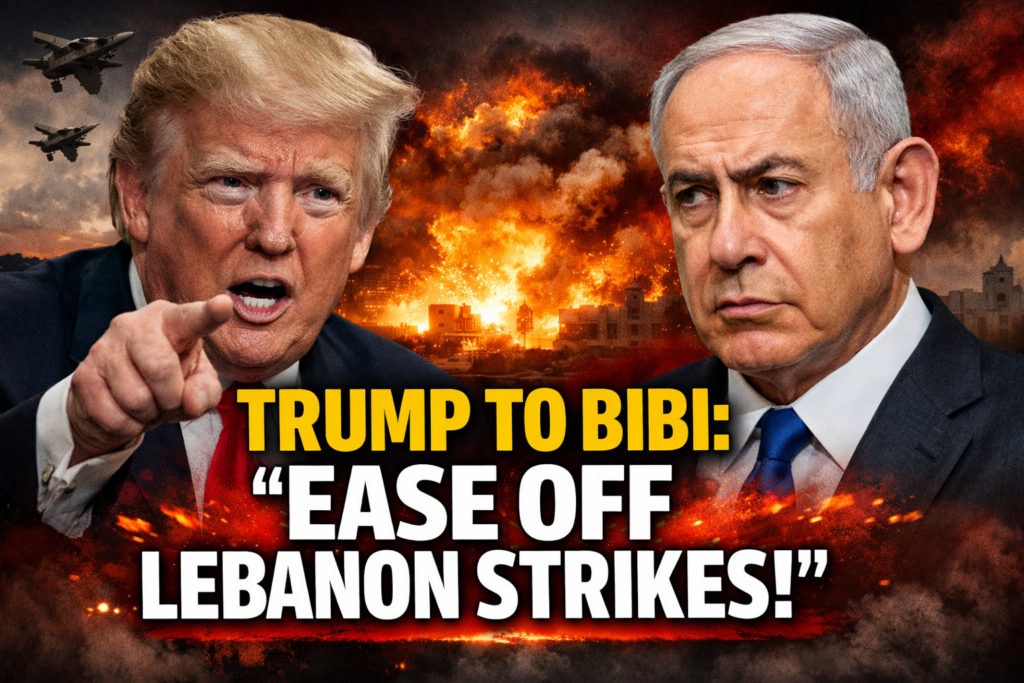
Trump Reportedly Urged Netanyahu to Reduce Lebanon Strikes
The article also mentions that US President Donald Trump asked Netanyahu in a phone call to scale back strikes on Lebanon. The reason, according to NBC News reporting, was to protect the success of Iran-related talks.
NBC News reported the call happened after Netanyahu vowed to continue attacks on Wednesday, citing a senior US administration official.
External reference:
- NBC News: https://www.nbcnews.com/
From a US perspective, heavy strikes risk expanding the conflict and complicating parallel negotiations. From Israel’s perspective, military pressure may be viewed as necessary—or as leverage.
Either way, when allies start publicly signaling different priorities, it often means negotiations have become more urgent behind the scenes.
Iran’s View: “Any Ceasefire Must Include Lebanon”
Iran has insisted that any ceasefire framework must include Lebanon, arguing that Israeli attacks there violate the truce. However, the US and Israel reportedly maintain that Lebanon was never part of the initial agreement.
This difference is more than diplomatic wording—it shapes what each side considers “fair” or “a violation.”
- If Lebanon is included, then strikes in Lebanon can be framed as breaking the truce
- If Lebanon is not included, then Israel may argue operations there are separate
Iran Said It Was “On the Verge” of Responding
Iran’s deputy foreign minister, Saeed Khatibzadeh, said Iran was close to responding to what it viewed as a ceasefire violation, but that Pakistan intervened.
The excerpts were cited via Iran’s Tasnim news agency and mentioned ITV News.
External reference:
- ITV News: https://www.itv.com/news
This is the kind of statement that shows how quickly regional tensions can widen beyond israel lebanon—especially when multiple countries view the same events through completely different agreements.
Quick Summary: Where the Israel Lebanon Story Stands Now
Here’s the situation in a simple timeline-style recap:
- A fragile two-week truce exists involving the US, Israel, and Iran
- Israel escalates strikes in Lebanon, with heavy casualties reported
- Lebanon pushes for a temporary ceasefire to open broader talks
- Netanyahu authorizes direct israel lebanon negotiations “as soon as possible”
- Talks are expected in Washington next week
- Israel signals no ceasefire with Hezbollah ahead of talks
- Trump reportedly urges Netanyahu to dial down Lebanon strikes
- Iran insists Lebanon is part of the ceasefire framework and warns it nearly responded
What Could Happen Next (Realistically)
No one should assume a single meeting in Washington will solve decades of conflict. But it could still matter—especially if it leads to sustained dialogue.
Scenario 1: Talks Begin and Continue Quietly
Even without a dramatic announcement, regular meetings can build a framework for reduced violence and clearer security arrangements.
Scenario 2: Talks Begin, but Fighting Continues
This is common in many conflicts. Negotiators talk while commanders keep operating. The risk is that one major incident can end the talks overnight.
Scenario 3: Talks Collapse Before They Start
If strikes intensify, or political pressure rises inside either country, leaders may step back—especially if they believe talks look like “giving in.”
Related Reading on Newzeefy
If you want more updates and different categories of coverage on Newzeefy, here are quick paths:
- World updates: World News Latest
- Big breaking stories: Trending News Latest
- Tech developments that shape modern conflicts: Technology News Latest
- Regional headlines and policy moves: India News Latest
- Opportunities section: Latest Jobs
Conclusion: Diplomacy Is Moving, but the Israel Lebanon Ground Reality Is Still Volatile
Netanyahu’s approval of direct israel lebanon negotiations is a notable diplomatic shift—especially with Washington expected to host talks as early as next week. On paper, the stated goals are huge: disarming Hezbollah and moving toward peace relations.
But the bigger truth is this: diplomacy is trying to move forward while the conflict remains intensely active. Lebanon is asking for a temporary ceasefire window, Israel is signaling it won’t pause operations ahead of talks, the US is reportedly pressing for restraint, and Iran is warning that Lebanon must be included in any ceasefire framework.
The coming days will reveal whether this is the start of a sustained process—or another attempt swallowed by escalation. For ordinary people watching from the outside, the hope is simple: fewer strikes, fewer losses, and a real chance for political solutions to replace constant retaliation.
FAQs
Are Israel and Lebanon still officially at war?
Yes. Israel and Lebanon have technically been in a state of war since 1948 and do not maintain normal diplomatic relations.
What are the israel lebanon negotiations expected to focus on?
According to Netanyahu’s office, talks will focus on disarming Hezbollah and establishing peace relations between Israel and Lebanon.
Will Israel stop attacks on Hezbollah before negotiations start?
An Israeli official cited in the reporting indicated there would be no ceasefire with Hezbollah ahead of talks, meaning negotiations may start without a pause.
Why would israel lebanon talks happen in Washington?
Washington is a common venue because the US can host securely, support mediation, and help structure a multi-round negotiating process.
Why is Iran insisting Lebanon must be part of any ceasefire deal?
Iran argues that Lebanon is central to the broader truce framework and that strikes there violate it. The US and Israel reportedly disagree, saying Lebanon wasn’t included in the initial agreement.