

Data Breach 2026 is a problem for people who use the internet. A lot of information has been stolen in recent cyber attacks and this is making people worried about their online safety.
In the few months many companies have reported that their data has been breached and this has affected millions of people all over the world. No matter what kind of business you are in you can be a target for these attacks. Important information like passwords, phone numbers, addresses and even bank details are being stolen quickly.
What makes 2026 a year for this is that the attacks are happening very fast and are very big. Hackers are using tools and computers to find weaknesses in systems and steal data before anyone can stop them.
More Information
⚠️ What is Data Breach 2026?
A data breach is when someone who is not supposed to have access to information gets into a system and steals it.
📌 This information can include:
- Usernames and passwords
- Email addresses
- Financial information
- Government ID details
- Business secrets
In 2026 data breaches are not about stealing data. They are often part of bigger plans to commit crimes like ransomware, identity theft and cyber espionage.
🔥 Data Breach Trends in 2026
There has been an increase in data breaches in 2026. These attacks are happening often and are causing more damage.
📊 Key Trends:
| Trend | Description |
|---|---|
| Massive Impact | A lot of people are being affected by these breaches |
| Cloud Exposure | More and more data is stored in cloud and exposed |
| Credential Attacks | Hackers use stolen passwords to access systems |
| Small Business Target | Small companies are attacked frequently |
| Ransomware Growth | Data breaches linked with ransomware |
👉 The reality is that cyber attacks are not rare. They are happening every day.
🧠 How Hackers Steal Data
To understand how to stop these attacks we need to know how hackers work.
🔍 Common Attack Methods:
- Phishing Attacks
Hackers send emails or messages that look real. When people click the link and enter details, hackers get access. - Weak and Reused Passwords
Many people use simple or same passwords. Hackers try these on multiple sites. - Software Vulnerabilities
Old software has security flaws. Hackers use them to enter systems. - Cloud Misconfiguration
Wrong cloud setup can expose data to the internet. - Insider Threats
Employees may accidentally or intentionally leak data. - Automated Attacks
Hackers use tools to scan and attack many systems quickly.
🧪 Real-World Scenario
Let’s look at an example:
A company stores customer information in a database. Because of a mistake in setup, the database is left open without a password.
⚡ What happens next:
- Hackers find open databases
- They access without password
- Download millions of records
- Sell data on dark web
👉 This kind of breach can happen without anyone noticing.
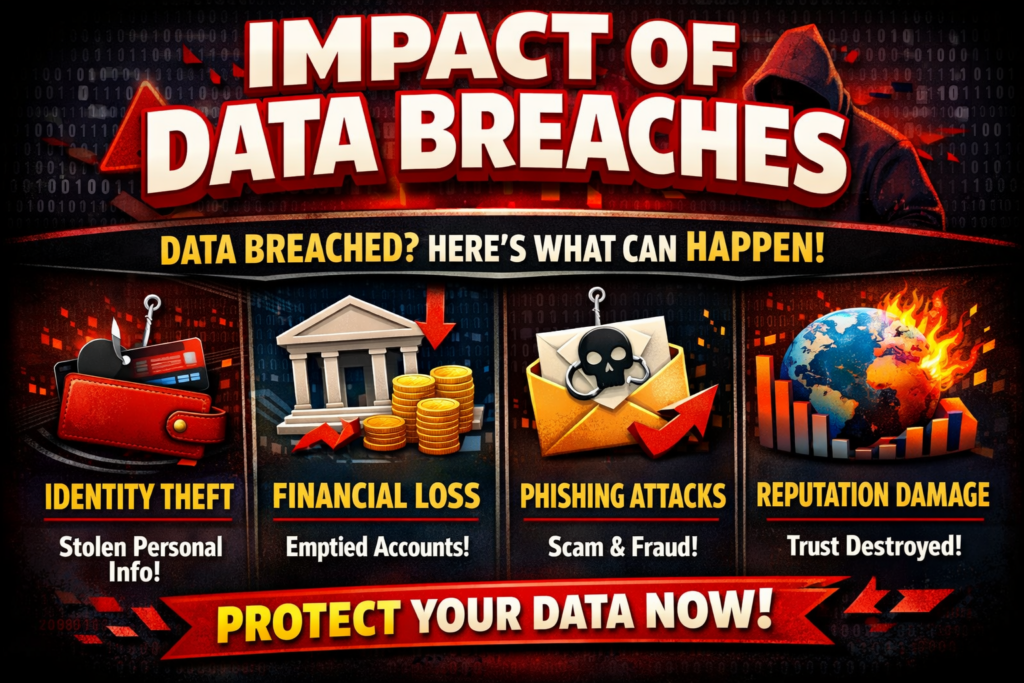
💥 Impact of Data Breaches
🏢 For Companies:
- Losing a lot of money
- Legal issues and fines
- Reputation damage
- Loss of customer trust
- Business disruption
👤 For Individuals:
- Identity theft
- Unauthorized transactions
- Social media hacking
- Privacy invasion
- Stress and mental impact
👉 One data breach can affect millions of people.
❌ Why Data Breaches Are Increasing
Despite technology data breaches keep happening because of several reasons:
- Lack of cybersecurity awareness
- Poor security practices
- Fast adoption of technology without security
- Complex IT systems
- Human errors
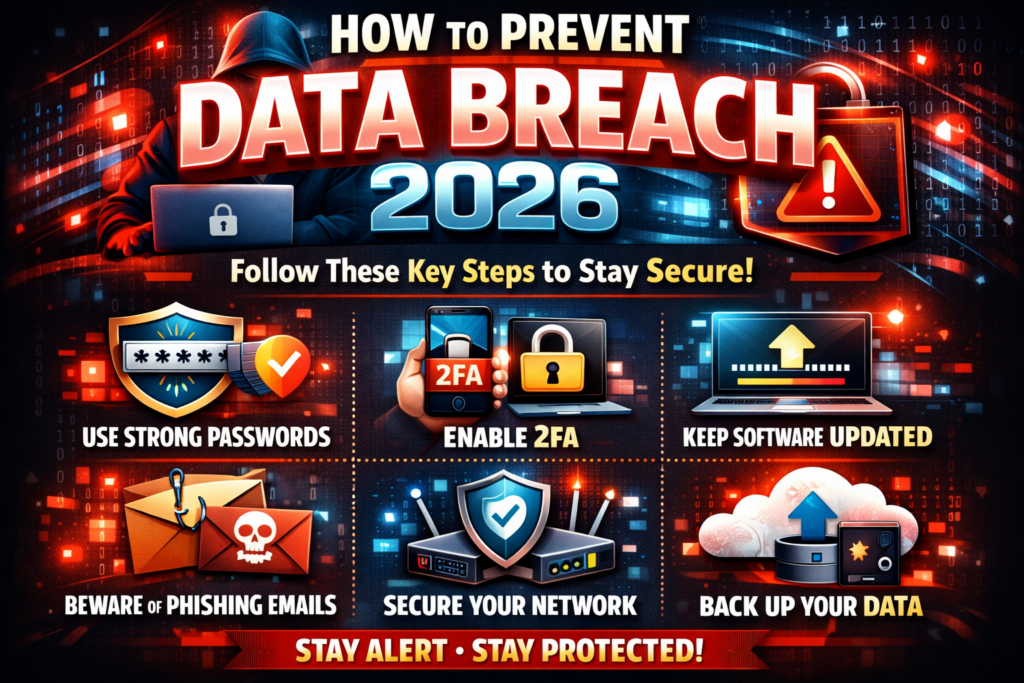
🛡️ How to Prevent Data Breach 2026
To stop data breaches we need a combination of technology and awareness.
✅ Best Practices:
- Use strong passwords
- Enable multi-factor authentication (MFA)
- Keep software updated
- Avoid clicking unknown links
- Secure cloud settings properly
- Train employees on cybersecurity
- Monitor systems regularly
🧰 Security Tools
Companies can use the following tools:
| Tool | Purpose |
|---|---|
| SIEM | Monitor and analyze security events |
| EDR | Detect threats on devices |
| Firewall | Block unauthorized access |
| IDS | Detect suspicious activity |
| Cloud Security Tools | Protect cloud data |
👉 These tools help detect threats early and reduce damage.
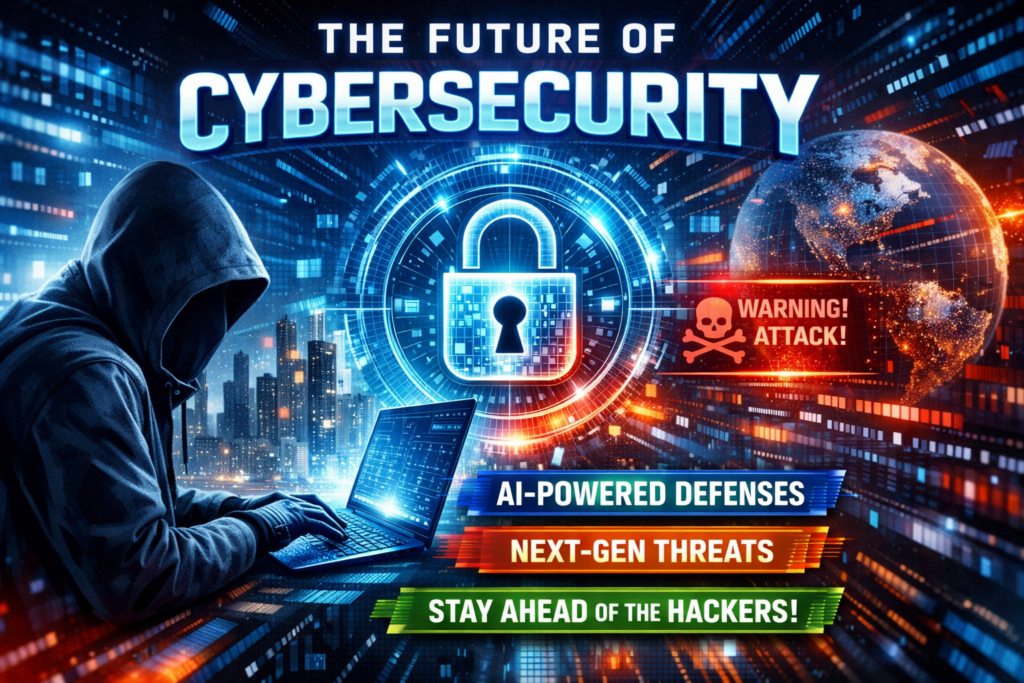
📊 Future of Cybersecurity
The future of cybersecurity is changing fast. In 2026 and beyond we will see:
- Zero Trust Security models
- AI-powered threat detection
- Automated response systems
- Passwordless authentication
- Strong encryption
👉 Companies must adapt to stay safe.
📢 Conclusion
In conclusion the big data breaches in 2026 show us that cybersecurity is more important than ever. As hackers get better companies and individuals must take steps to protect their data.
If we ignore cybersecurity risks it can lead to financial loss, identity theft and damage to reputation.
👉 The best way to defend ourselves is to be aware, prepare and keep improving our security practices.
FAQ
What is a data breach?
A data breach is when unauthorized users access and steal sensitive data.
Why are data breaches increasing?
Due to weak security, human errors, and advanced hacking tools.
How can I protect my data?
Use strong passwords, enable MFA, and avoid suspicious links.